Around November within the fall semester at Oklahoma Christian University, students get a barrage of emails claiming to be from researchers on campus with promises of gift cards for anyone who will answer some survey questions. The problem is, students were unable to tell if the links were for a real survey.
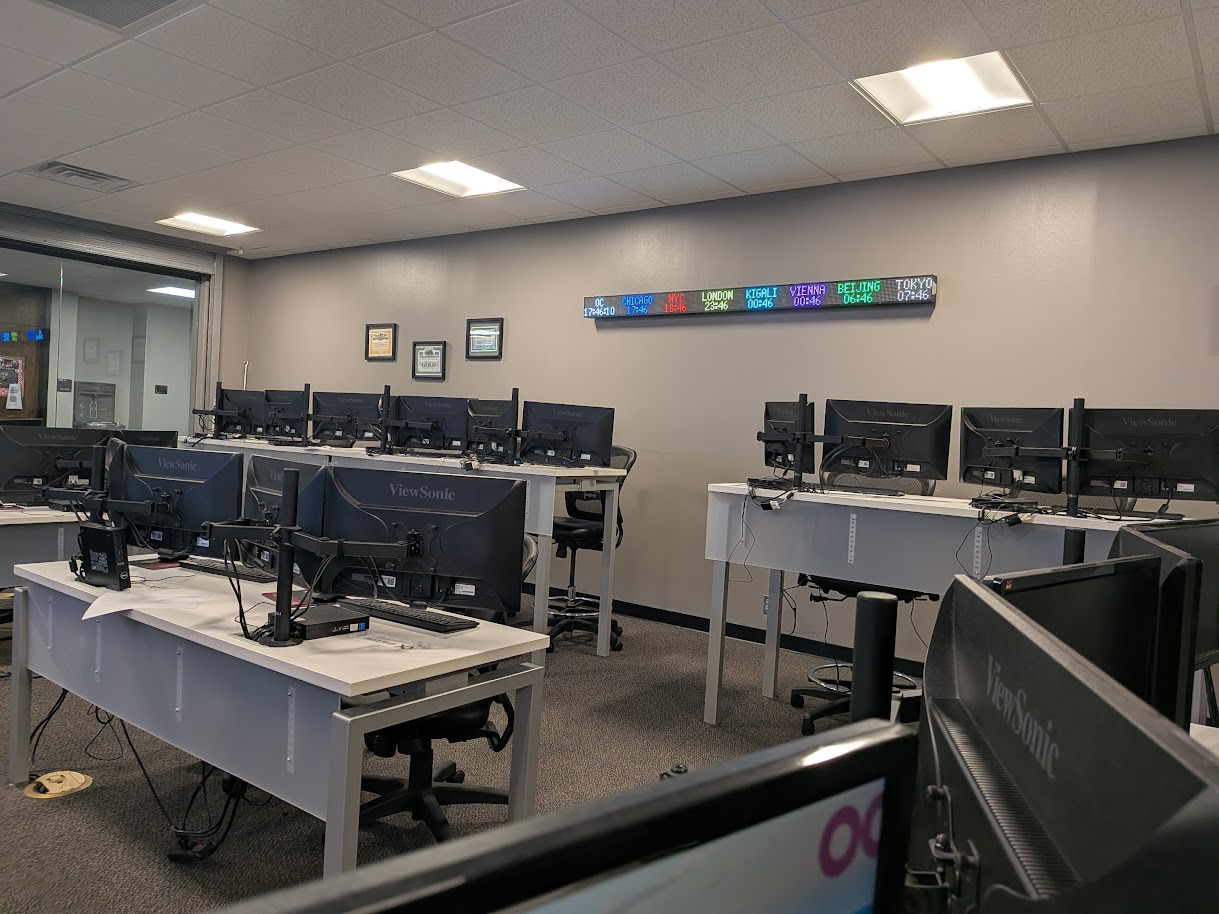
Marketing research is a class at Oklahoma Christian that is taught by Dr. Kerianne Roper with a goal of teaching students good practices for conducting research upon consumers within a business industry. The class expands beyond the classroom and allows students to learn firsthand research techniques by conducting their own online surveys.
For marketing research students, a problem exists where their surveys are discounted by recipients as phishing emails, or scams designed to gather personal information from a victim. Students in the class have a hard time distinguishing themselves from scammers.
“Everybody in the college thinks that we’re phishing, but it’s not true,” Riley McKey, a senior marketing research student said.
The main method students can use to decide if an email is a phishing scam or is a legitimate survey is looking at the email that sent it. All professor emails will end in @oc.edu while all student emails will end in @eagles.oc.edu. Unfortunately, if a student has fallen victim to a phishing scam already, their email might be used by an attacker to send out a legitimate looking email.
The next best option for students is to directly contact the person in question through another method. Whether this be through another email, phone number or even social media, students can more easily verify if the source is legitimate. The problem with this method is students have to be able to know other contact information for the source.
Students should ensure that they are always keeping their personal information safe and should never share passwords, bank account information or private government information with anybody through any online source. If a legitimate source requires any identifying information from students, they should find an alternative way to provide it, such as in person.
Marketing research students attempted to solve this problem by verifying themselves through multiple methods. Dr. Roper sent an email the week all the surveys released to all students across Oklahoma Christian’s campus detailing that each of the surveys were legitimate. Students then sent emails from different sources and verified themselves through Oklahoma Christian’s Institutional Review Board, an on-campus organization that checks and verifies the legitimacy and methods of research done on campus.
Unfortunately, for the research groups, even these methods were not enough to verify the legitimacy of the surveys.
Evangeline Golden-Boyd, a senior marketing research student commented, “It’s impossible to get people to email somebody out of the blue without them thinking that it is a scam.”
It is frustrating for marketing students to attempt to gather information from students on campus only to have their legitimacy doubted. It is important for students, however, to ensure they are not being scammed on campus above all else. Students can be assured that once a year, surveys assured by the IRB and backed up by Dr. Roper will be legitimate, but they should always be wary of giving up their personal information for any reason.






Be First to Comment