Every week, The Talon interviews a member of the Oklahoma Christian University community, a “Newsmaker,” to answer questions about their role on campus.
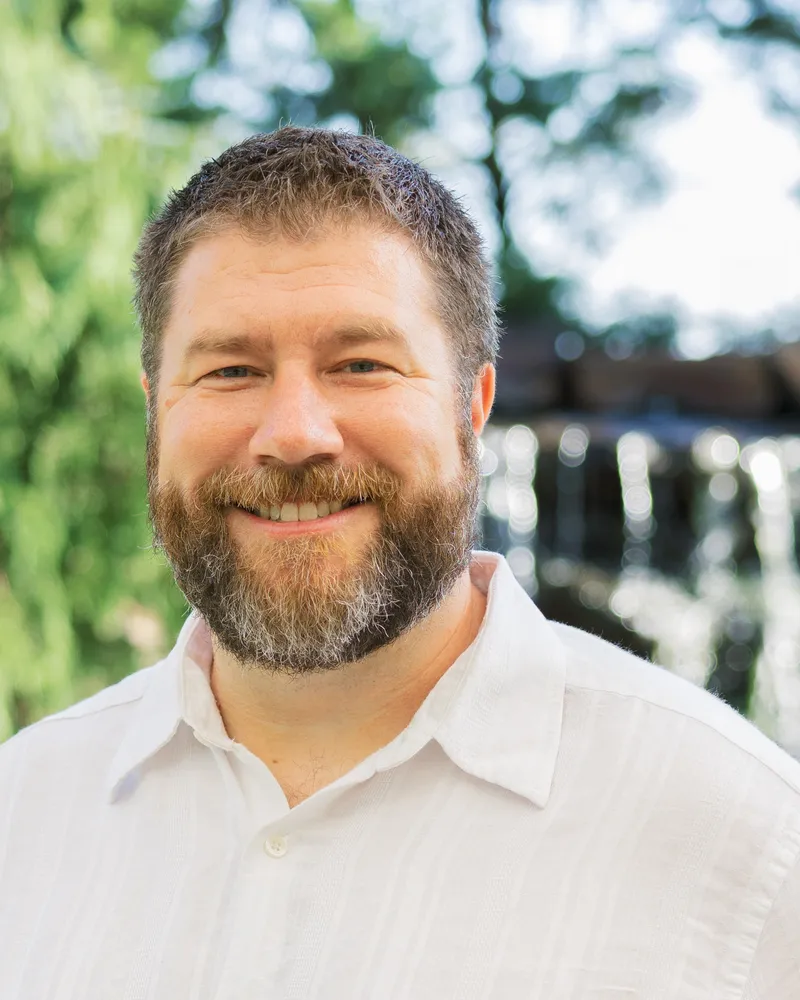
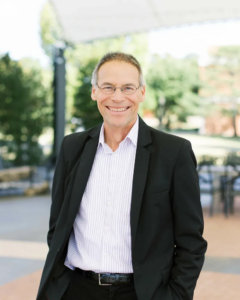
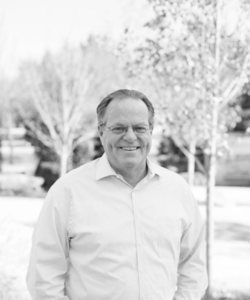
On October 1, The Talon interviewed Kendon Murrell, director of Helpers in Missions (HIM) and Third Culture Kid (TCK) programs, director of Center School Missions, leader of Intercultural Chapel, and sponsor for International Student Council.
Can you break down the organizations and missions that you serve on campus?
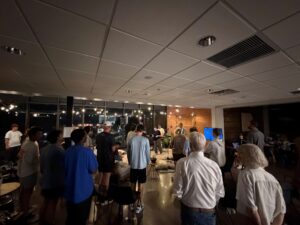
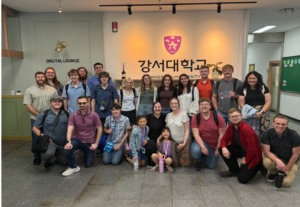
“There are four main organizations on campus that serve minority or multicultural students. BSU (Black Student Union), LASO (Latin American Student Organization), International Student Council, and Third Culture Kids. Now, the first three are student organizations with officers. The fourth one, TCK, is a ministry group. But that’s kind of the way that I look at those, is that they are all serving our multicultural students or students of minority. My goal in our ministry really is working with our third culture kids, TCKs. TCKs are defined as people who have grown up in a passport country different from their parents’ passport country, or in a culture rather, different from parents’ passport culture,” said Murrell. “We’ve got quite a few. We’ve got over 30 students on campus that are in similar situations as that, we’ve got others around as well. That yeah, it’s a great group of kids. But when you have that experience, you often come into this space where everybody can look at you and think that you’re American and make jokes that they expect you to understand, and you don’t because you didn’t really grow up here. Inside, you’re Ecuadorian or you’re Singaporean or you’re Zambian, and so that’s a big challenge. And with that also comes struggles with identity and ‘Where do I fit in?’ and ‘Who do I root for when it’s the Olympics?’ You know, there’s a lot of challenges, and we try to provide a safe space for TCKs to be able to share their stories, to talk about their favorite foods from back home. Everybody thinks that this is home for them, and it’s not. It’s somewhere else, and so that’s the main ministry area. Now I naturally get drawn with international students because I have a heart for international students, and this is where International Student Council comes in. I serve with them as their sponsor, trying to help advocate for them, and this is really interesting because when I was a student, I really didn’t interact with international students that much. I did not care about international students until my senior year, and in my senior year, I became friends with several Japanese international students that were here, started spending time with them. Eventually, some of them came home with me for Thanksgiving, and then four months later, I moved to Japan. So just those interactions with international students, it opens up our worldview, our perspective, and I really wish everyone on campus would get to know international students. We’ve got about 140 international students on campus right now, and they’re such amazing people, and they’ve got these amazing cultures and foods and perspectives on the world, and they’re just fun. So, I love working with international students and advocating for them,” he said. “There is also Intercultural Chapel. That is part of spiritual life, and that’s every week. But it’s just trying to encompass, or trying to get a safe space of relief, for anybody but especially those who are coming from a multicultural or minority background to step in and say ‘My story matters, and I have a place here, and I can just be myself’, and that’s what our international chapel does,” Murrell said. “When it comes to the mission side of things, the HIM program. The HIM program is actually a ministry or program through Memorial Road Church of Christ. This is a big part of my identity too, I’m on the ministry team for Memorial Road, and so promoting missions and helping send students that graduate into the mission field. So there’s an apprenticeship. Basically, it’s two years with an established missionary in a stable mission point. And so right now we’ve got one person in New Zealand, we’ve got another person in the Netherlands, and then we’ve got several people that we’re talking with about going to a variety of destinations across the world. That’s after graduation, but what about mission opportunities before graduation? That’s where Center for Global Missions comes in, so Center for Global Missions is here to promote missions on campus and help students have those opportunities to go on mission trips. And we’re going to be increasing those opportunities. But we think of those as short-term. It could even be like one to one to three-day service missions experiences that are local. You think about working with Restore OKC, or the Regional Food Bank, things like that. The next step is taking one to three week mission trips. So going somewhere, serving in Honduras or Guatemala or Ghana, Ecuador. We’ve got so many possibilities for those. We’ve got faculty and staff on campus who are passionate about taking students to certain places. When I was a student here, I went to Northern Ireland; I went to Mexico. I mean, I did all these great mission trips, and so we had faculty and staff that were leading those, and they would say, ‘Hey, I really want to take students, who wants to go?’ We’ve got some faculty and staff on campus that want to go to Bulgaria, some that want to go to Albania, and so we’re going to try to foster the opportunity for more students to be engaged in those missions trips. So those would be short term, and then and then we also offer longer term missions internships, six, eight, ten weeks long,” said Murrell.
How do you juggle everything you do for the international programs?
“It’s because it’s not just all on me to do all these things. I get to collaborate with so many people, and so it’s really a team effort. Working with the spiritual life team, and working with other people across the campus and other departments, with student leaders who step up. Those things are all so rewarding and also critical in how stuff gets done. And also, my wife is a great partner, and she backs me up so much. She’s not even working here, but she just jumps in to help out in so many ways. If anybody sees anything that makes me look good, it’s probably because of her,” Murrell said. “And also, Google Calendar. I definitely have about seven different calendars that all sync together,” he said. “I remind myself often that it feels overwhelming sometimes because there’s so many things to do and so many lists, and it feels like the age-old adage of ‘How do you eat this entire elephant? It’s one bite at a time.’, and so I’m just taking a bite at a time,” said Murrell.
For Intercultural Chapel, what do you find is the most challenging part of helping people from different backgrounds interact?
“Curiosity, I think, and honestly, I’ve seen so many memes recently of Ted Lasso. I love Ted Lasso. Everyone should watch Ted Lasso. Actually, it’s pretty much the Jesus story in real life. But one of the things that they say often in Ted Lasso is ‘curiosity over judgment’. And I think it’s really easy for us to look at people from other places, other cultures, other experiences, and we can easily judge. We’re like, man, those people. But if we stay curious, then I think that we learn a lot, and we open ourselves up to really absorbing other people’s experiences and hearing their stories. And I think that’s kind of the key for helping people. Just be curious and connect and listen to people’s stories. I think for our international student community, they come in with that. So the real challenge is for us as Americans, monoculture people, to be open to hearing those stories and accepting people,” he said.
What is the most rewarding part of preparing students to go out into the mission field?
“I just love watching students grow. I love watching students ask questions and explore, and I love to see when things click. I think anything that we do, if something connects with someone and it shapes or helps them frame their worldview and their perspective on culture and other people, and I think that’s incredible. And for me, one of the things that I really love is when students tell me, ‘Oh, I didn’t ever think about that’ or, ‘I never saw it this way’, or, ‘I didn’t think that other cultures thought about missions in this way, or that people interacted or communicated in this way’. I love it when people observe those things about our world,” said Murrell.
How many countries have you traveled to in your lifetime?
“In my lifetime, I’ve visited almost 30 countries. In my childhood, I spent time in Europe, and so I traveled extensively there. And my parents did some mission work, and then and then after graduation from OC, I lived abroad for 11 years and traveled extensively throughout the Pacific Rim area, so Asia and Australasia,” Murrell said.
Since you have been here at Oklahoma Christian, what has been your favorite experience so far with the work that you have done?
“The thing that I love the most about OC, I’m gonna change it a little bit, if that’s okay. I really love engagement with students, and so I think my favorite thing really is just seeing how relationships unfold and interactions happen. Specifically I’m thinking about, through leading Intercultural Chapel, I see that we have a lot of international students that started coming, especially international student athletes, and sort of deepening connections between them has spread into all kinds of really neat connections with our athletes,” he said.


Be First to Comment